


A natural PMU design, a thoughtfully run studio and useful technology can all improve the service you choose—but each contributes something different. Design controls the appearance, studio practices describe how resources and waste are managed, and tools support particular steps of the work. Compare the specific benefit you care about rather than choosing a treatment by three broad labels.
Start with the everyday look you want. Then ask how the practitioner creates and reviews it, and which studio practices matter to your own priorities. You will have a clearer reason to book than a trend name alone can provide.
Natural: a design that belongs to your features
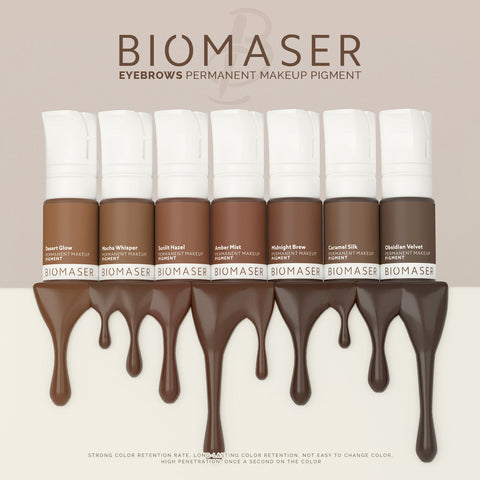
Natural-looking PMU can be an airy brow front, a softly tinted lip or definition close to the lash line. It can still be visible. The important question is how shape, edge and colour sit together on your face.
Choose one feature to preserve and one to enhance. “Keep my existing arch and add a clearer tail” gives a brow artist a useful brief. “A muted rose with a blended border” separates lip colour from outline. Compare the artist's own healed work with that description.
The natural-PMU design guide gives examples for brows, lips and eyes. Take your reference into the consultation and review the proposed drawing at the intended size and position.

Sustainable: understand the actual studio practice
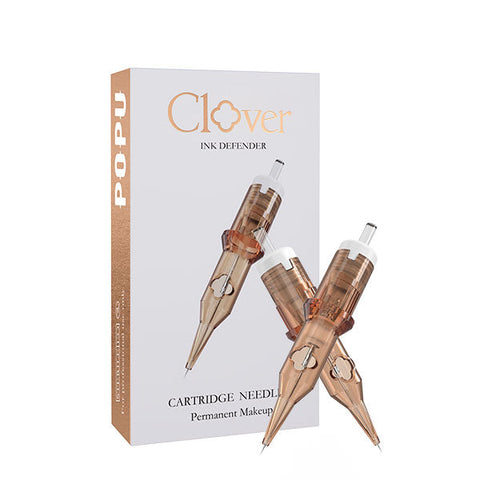
If reducing unnecessary packaging or waste is important to you, ask what the studio does in that area. A concrete practice is easier to understand than an “eco” label: ordering suitable pack sizes, using resources carefully or managing waste through the appropriate process.
Distinguish those questions from the hygiene requirements of treatment. Sterile single-use items have a role in infection control; environmental preferences need to work within the professional process. Ask about purchasing and waste handling rather than assuming every disposable item should be reused.
For a named product claim, identify what it covers—packaging, a material or a documented manufacturing characteristic. It is reasonable to value that information, while colour, comfort and the finished design remain separate comparisons.
High-tech: a tool with a clear job
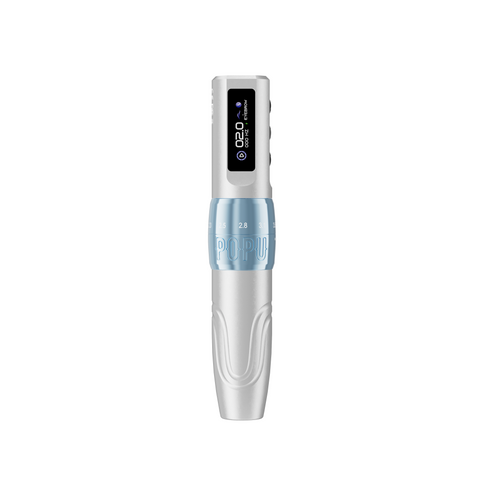
A digital design preview can help you discuss shape. A machine's controls can support the practitioner's trained workflow. A tool is useful when its role is clear and the practitioner can explain what it lets you review or what part of the work it supports.
With a preview, compare the proposed outline on your own face as well as the screen. With a device-led presentation, look at healed work by the person using it. The service combines the tool with the artist's decisions and execution.
You do not need to choose a machine configuration as a client. Your useful decision is the look, the professional's relevant work and the service process. The practitioner makes the equipment choices for that plan.
Use three separate comparison questions
Natural appearance
- Useful comparison
- Healed shape, edge and colour
- What you decide
- The design you want to wear
Environmental priorities
- Useful comparison
- A specific purchasing, packaging or waste practice
- What you decide
- Whether that practice matches your values
Technology
- Useful comparison
- The tool's role and the practitioner's work
- What you decide
- Whether the process is useful and understandable
You can value all three without treating them as interchangeable. A strong booking choice connects your appearance preference with a professional process and studio practices you understand.
Keep the lasting decision at the centre
PMU is cosmetic tattooing. The FDA explains its lasting nature and removal difficulties. Choose a look for ordinary days, with the review and future maintenance explained before booking.
Leave the consultation able to describe your design, the service process and any specific studio practice you value. If those answers are clear, the labels have become useful information rather than the whole reason for your choice.
Common questions
Does natural PMU have to be almost invisible?
No. Decide the amount of definition you enjoy, then plan shape, edge and colour together.
Does sustainable mean reusing treatment items?
Environmental choices must fit hygiene requirements. Ask about specific purchasing and waste practices rather than assuming reuse is appropriate.
Does the newest device determine the best artist?
Compare what the tool supports and the practitioner's own healed work. The service includes professional judgement as well as equipment.