A tattoo or permanent makeup station needs a clear path from packaged supplies to point-of-use disposal. Start with intact, compatible single-use cartridges, keep clean supplies outside the active work area, protect equipment surfaces as required, and put a suitable sharps container within easy reach. Then plan the moments that tend to break the workflow. Adjusting a lamp, reaching into a drawer, or answering a phone can transfer contamination between a used station and the next client's supplies. An effective studio procedure gives the artist an easy way to pause and return to work with clean hands and appropriate protection.
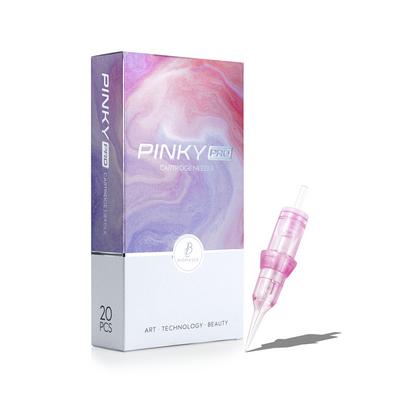
For PMU contour work on a compatible universal cartridge handpiece, start with the Pinky Pro single liner. Add the Pinky Pro compact round shader when the design includes a small shaded area alongside the contour. For tattoo shading across a wider field, choose the Thunder Pro curved magnum when its broader footprint fits the design. Buy enough individually packaged stock to open fresh supplies for each client. Check each package before opening and follow the product instructions and applicable premises rules for use.
Contents
- Define the studio infection-control system
- Understand EO and verify sterile packages
- Set up the station before the appointment
- Protect the workflow during service
- Break down and release the station
- Handle reusable items through a separate process
- Respond to incidents and maintain the procedure
- Frequently asked questions
Define the studio infection-control system
Start with the rules that apply to the location
Use the tattoo or body-art rules for the actual service and address. They can specify how the studio maintains handwashing facilities, work surfaces, sharps disposal, instruments, records, and other operating details. In the United States, an employer with covered occupational exposure also has workplace responsibilities under OSHA's bloodborne pathogens standard. These responsibilities include an exposure determination and a written Exposure Control Plan. Local premises requirements and workplace requirements apply to different parts of the same operation. Check both before the studio adds services, employees, or a temporary venue. OSHA bloodborne pathogens standard · Florida tattooing rules, an example of a state premises framework
Assign responsibilities by actual task
The artist may handle the handpiece and cartridges, but an assistant may clear surfaces, empty waste, or retrieve supplies. Identify who can do each job and who has authority to pause service when something is uncertain. Under OSHA's standard, covered employers determine occupational exposure without taking personal protective equipment into account. Consider what workers do when the studio is busy and which tasks expose them to used equipment or materials. Set the handoff so the clean supply person stays clear of the contaminated area. If the same person changes roles, the procedure should specify how they change protection and perform hand hygiene before re-entering the clean workflow. OSHA applicability to tattoo and body piercing
Distinguish cleaning, disinfection, and sterilization
Cleaning removes soil and helps prepare a surface for further processing. Disinfection acts on microorganisms under the conditions specified for the disinfectant. Sterilization is a validated process with a different purpose. A studio needs to distinguish among them when classifying items, selecting products, and assigning responsibility. An environmental surface, a powered machine body, and a reusable instrument designed for sterilization have different processing paths. Use the item's instructions and applicable rules to identify the path. An attractive finish or a clean appearance gives no information about whether the required process has occurred. CDC sterilizing practices
Define clean, active, and used areas by movement
Put unopened stock and clean equipment on the clean side. Put the protected handpiece and supplies for the current client at the active station. Put sharps and the used-items route close enough to use without crossing the clean area. If the workstation has limited space, use separate, clearly assigned surfaces or rearrange the workflow before starting. Walk through the setup with the actual chair, table, lamp, and container placement. If a worker has to reach past exposed supplies to dispose of a cartridge, move the disposal point or change the station layout.
| Work area | Typical contents | Allowed movement | Common failure |
|---|---|---|---|
| Clean supply | Unopened stock, fresh barriers, reserve items | Withdraw clean items before or during a controlled pause | Used gloves open a shared drawer |
| Active station | Protected equipment and single-client supplies | Work within the prepared boundary | Phone, lamp, or bottle crosses between roles |
| Used-items route | Sharps container and required waste receptacles | Direct point-of-use disposal | Used cartridge rests on a tray before disposal |
| Reprocessing area | Designated reusable items and processing equipment | Follow the permitted dirty-to-clean sequence | Used instrument meets released stock |
| Released station | Processed surfaces and fresh setup for next service | Bring in only the next client's supplies | Appointment begins before surfaces are ready |
Understand EO and verify sterile packages
Know where ethylene oxide is used
Ethylene oxide, often abbreviated EO, is used in controlled industrial sterilization processes for some products, including medical devices that may be sensitive to heat or moisture. The process is designed around the product, packaging, exposure conditions, and aeration. FDA describes how manufacturers address EO processes and residuals in the medical-device context. The studio's job when receiving a packaged cartridge is to follow the supplied product's label, instructions, and applicable requirements. A reference to EO describes a manufacturing process for the relevant product. It does not establish a separate certification, claim of medical-device clearance, or universal compliance for every cartridge. FDA sterilization for medical devices
Check the package, identity, and date markings
Before opening an individual package or moving it to the active station, inspect the seal and packaging for lifted edges, punctures or moisture. Set aside any compromised unit. Match the labeled cartridge configuration to the planned task and check that the identification and any supplied lot and expiry markings are legible. Hold mismatched or unreadable units for supplier clarification and keep expired units out of usable stock. Keep the rest of the delivery available only if staff can distinguish it from the affected stock.
Read an indicator for the job it performs
A chemical process indicator can show exposure to a specified condition or process. Interpret it using the manufacturer's instructions and the applicable processing procedure. It cannot by itself establish the sterility of an individual item. Check the package and its documented release route together. For factory-supplied cartridges, use the markings and instructions associated with the supplied packaging. For locally permitted reusable instruments, use the indicators required by the facility's validated cycle and relevant rules. The two workflows use different records and release decisions. CDC sterilization monitoring and packaging
Keep manufacturing evidence separate from shop controls
A documented EO process and an intact package establish specific information about the supplied item. The studio still owns safe storage, opening, compatible installation, client handling, and immediate disposal. Review the actual product when a supplier changes its pack design or distributor. If the same cartridge family comes in several versions, compare the package and instructions for the version in hand. Receiving staff should be able to identify why a particular item was released to stock and what to do when one of its checks fails.
| Receiving check | Evidence to review | If the check fails |
|---|---|---|
| Product identity | Label, configuration, and connection type | Separate the item and compare with the order |
| Package condition | Seal and material intact, clean and dry | Hold away from released stock |
| Date and lot details | Readable markings as supplied | Ask the supplier before use if unresolved |
| Sterility information | Actual package marking and supplier instructions | Confirm the process and evidence for that product |
| Process indicator if present | Manufacturer's meaning and expected result | Apply the product's stated decision procedure |
| Storage condition | Manufacturer's instructions and observed condition | Hold affected units and ask about disposition |
Set up the station before the appointment
Check the room as a new employee would use it
Walk in with the artist who will use the room on their first shift. Ask them to locate handwashing supplies, the clean reserve stock, replacement protective equipment, and the exposure instructions. Then ask them to prepare the station without opening any package needed for a later client. The sequence should make sense with the furniture already in place and with another worker using the neighboring station. If an essential item is found only by asking a manager, move it or give the team a clearly accessible location. A workable setup makes basic choices visible before the artist is occupied.
In a shared room, agree which items can be touched by people outside the procedure and which belong to the active station. Label or physically separate clean supply space where that helps. The relevant test is whether both artists can complete the task without reaching into the other person's work. If one door handle or cabinet serves several roles, decide how each worker crosses that boundary and show it during the opening walkthrough.
Assemble the supplies for one client
Choose the cartridges, cups, barriers, and other consumables the procedure needs before the artist begins. Keep reserve stock outside the active area. A change of plan can still be handled through a clean pause. In a PMU service with a contour and a small shaded area, stage the individually packaged liner and compact shader. In a tattoo service with a wider coverage job, stage the appropriate grouping for that field. Check that the intended cartridge fits the handpiece and is secured as the manufacturer directs before use.
Prepare handwashing and protective equipment
Make handwashing easy to access before and after glove use and at the other points specified by local rules and the applicable worker procedure. Select personal protective equipment for the reasonably anticipated exposure. When the task may generate splash or spray, consider the eye or face protection required by the exposure assessment and governing standard. Put supplies where staff can reach the correct size and replace protection when a change is needed. Gloves fit into the hand hygiene sequence and should be removed and changed when the workflow requires it. OSHA 29 CFR 1910.1030(d)
Protect the equipment where hands actually touch
Identify handpiece surfaces, power controls, cords, lamp adjustments, and other touch points for the planned service. Use appropriate barriers and follow the equipment manufacturer's instructions. Check that the barrier remains in place through ordinary adjustments and that the controls can be reached without tearing it. If the studio uses a tablet or mirror, decide who handles it and where it rests. The aim is a clean path through the session that remains usable when the artist has to adjust something unexpectedly.
Place and check the sharps container
Use the container required for the work and location. OSHA's standard specifies closable, puncture-resistant containers that are leakproof on the sides and bottom and appropriately labeled or color-coded for contaminated sharps. Place it as close as feasible to the immediate area of use, keep it upright, and replace it before overfilling. Confirm that an artist can place a used cartridge directly into the opening without walking across the room or putting it down first. A container fitted to the bench works only when its opening remains accessible after barriers and equipment are in place. OSHA 29 CFR 1910.1030(d)(4)
Protect the workflow during service
Manage a real two-artist replenishment request
Suppose a tattoo artist has started a broad shading section while a PMU artist in the same room needs another liner. A clean assistant can take the unopened package from reserve stock and place it in the agreed clean transfer area. The artist then introduces it into the station using the studio's procedure. If no clean assistant is available, the artist pauses and restores the appropriate hand hygiene and protective setup before retrieving stock. This lets each service continue without turning a shared drawer into an extension of either active station.
Make the transfer area easy to identify. It should remain free of opened materials and used equipment. If the assistant cannot tell whether a surface is clean, they should use the designated alternative or ask before setting the package down. Change the room layout if the available transfer point is repeatedly blocked by a client's belongings or the other artist's equipment. Good staging eliminates choices that otherwise occur at the busiest moment of the appointment.
Open supplies at the point they are needed
Inspect the cartridge package and open it using the studio's approved handling procedure. Keep the working end clear of other surfaces. Bring only the supplies for the current client into the procedure area. If a cartridge or other single-use item contacts a surface that compromises the setup, replace it through the applicable workflow. The next action should be easy to carry out during a booking. A studio that keeps fresh replacements in a nearby clean area makes a proper change possible without sending the artist through the rest of the room.
Understand the backflow membrane's role
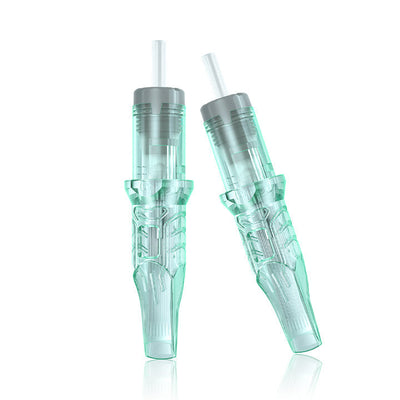
A silicone backflow membrane is a cartridge feature designed to limit fluid movement toward the machine side. Use the specified compatible cartridge and follow the equipment manufacturer's instructions for barriers and processing. The machine body, grip, controls, and the way the artist touches them each remain part of the studio procedure. If fluid is suspected beyond the expected area, pause and remove the affected equipment from service until it can be addressed under the applicable instructions and local rules. A stock decision about needle geometry and a workflow decision about contamination solve separate jobs.
Dispense only for the current client
Prepare single-client quantities of pigments and other applicable products using the studio's approved method. Keep stock bottles away from used gloves and exposed procedure materials. A clean assistant can replenish supplies without joining the active workflow if their role stays clear. Handle leftover dispensed material under the applicable procedure and never return it to clean stock. Retain the product identity and relevant lot information in the service process where required or useful for tracing a concern. FDA's tattoo ink guidance describes manufacturing and distribution contamination risks. Studio handling controls apply after the product arrives. FDA final tattoo ink guidance
Pause before crossing into clean supplies
Agree on a practical interruption routine. When an artist needs a fresh product from a drawer, they can ask a clean assistant or pause, remove used gloves as appropriate, perform hand hygiene, and retrieve the item through the clean workflow. Resume with the protection required for the task. If the lamp needs to be repositioned, use the prepared controls or pause for a barrier change where necessary. Give staff enough time and supplies for these pauses. When people repeatedly need to leave the station to retrieve the same thing, change the staging so the correct action is easier.
| Service interruption | First action | Return to work when |
|---|---|---|
| Fresh cartridge needed | Request clean assistance or pause to retrieve it safely | New package is intact and opened appropriately |
| Torn or displaced equipment barrier | Pause and assess the equipment beneath it | Affected surfaces are processed as needed and protection is restored |
| Touch to an unprotected shared control | Pause and apply glove, hand hygiene, and surface procedure | The control and working setup have been addressed |
| Suspected fluid beyond the cartridge | Remove affected equipment from use | Equipment has followed the applicable processing and release path |
| Material spills outside the active area | Isolate the affected area and follow the spill procedure | Required cleanup is complete and supplies are replaced as needed |
Break down and release the station
Plan enough turnover for a shared treatment room
Give the outgoing artist time to remove used equipment, address the work surfaces, and complete the applicable disinfectant conditions. The incoming artist can prepare clean stock away from the treatment area while that process is underway. Define what signals release. An empty chair means the client has left. The station becomes available after its processing and checks are complete. In a salon suite with several services on the schedule, put this distinction into the booking and staff handoff so the next service can begin on a properly prepared bench.
If a spill crosses into a shared walkway, pause traffic through that area and have the assigned worker apply the spill procedure with suitable protection. Keep replacement supplies on the clean side until the affected area has completed its required processing.
Look for the item most likely to be missed during turnover. A stool adjustment, lamp arm, or charging surface may be touched repeatedly even though it is outside the area where the cartridge is used. Decide which surfaces are protected, which need processing, and who owns the handoff. If the current arrangement routinely requires the same correction, revise the setup before the next full shift. A procedure staff can complete in the available space is easier to teach and more likely to survive a busy day.
Dispose of sharps at the point of use
Dispose of a used cartridge or other contaminated sharp in the suitable container immediately or as soon as feasible under the applicable rules. Use the removal method specified for the handpiece so the operator can move the sharp directly to disposal. Keep the opening available and the container upright. Follow the requirements for closing and replacing it. Avoid reaching into a container or handling a used sharp again to rearrange its contents. Make the full-container handoff part of the waste procedure so workers know who replaces and removes it. OSHA 29 CFR 1910.1030(d)(4)
Remove barriers without spreading contamination
Identify the visibly clean side and the potentially contaminated surface before removing a cover. Handle used barriers under the studio procedure and keep them clear of clean storage. A barrier can move contamination if its outside touches an unprotected machine part during removal. Plan the order so the artist can dispose of it directly and process the surface underneath as needed. If a barrier tore or the surface underneath appears affected, follow the applicable equipment procedure and local requirements before the item returns to service.
Clean and disinfect applicable environmental surfaces
Use the method and product suitable for the surface and task. Remove visible soil as directed and apply the disinfectant in accordance with its label, including contact time and other conditions. Maintain the required exposure for the whole period. Check which surfaces are safe to treat by that method and what additional steps the equipment manufacturer requires. Put fresh materials down after the surface is ready and the studio has followed any applicable drying or release instructions. Plan turnover time around the actual product and procedure. CDC disinfection and sterilization guideline
Release the station before staging a new client
Check that used items have been removed, surfaces have completed the required process, and the next supplies come from the clean side. Position fresh barriers and supplies after the work area is ready. If the next artist is coming in immediately, identify who decides that the station can be used. Avoid leaving half-completed tasks for the next worker to infer from the appearance of the room. A brief verbal handoff can help in a shared suite. The receiving artist should be able to see where fresh supplies and the sharps container are staged.
Handle reusable items through a separate process
Keep uncertain items out of the release area
When a reusable item arrives at the wrong point in the workflow, stop it from mixing with released stock. Identify the item and its last known processing state. Ask the assigned owner to determine the appropriate path under the local rules and manufacturer instructions. If the studio cannot establish that the required cycle and packaging conditions were met, leave the item outside the ready supply until disposition is resolved. The goal is for staff to choose from released items without having to reconstruct the processing history during an appointment.
Use a separate location for items awaiting a decision. In a small room this may be a clearly designated container in the appropriate area, with access limited as the procedure requires. Staff should know where affected items go and who can release them. Confirm that the location works when several items need attention at once. This keeps the clean side of the room useful even while the studio investigates a problem.
Determine whether the item can be processed and reused
Review the manufacturer's instructions and the local rules before a reusable item enters service. Determine whether it requires cleaning, disinfection, sterilization, or a combination of steps, and whether the studio can meet those requirements. Move used items along a designated route that keeps them separated from released stock. Use any required containers and personal protection during handling. Single-use cartridges follow the sharps disposal route. They do not enter the reusable instrument flow. A shop choosing disposable tools should still define the processing path for reusable surfaces and equipment.
Follow the permitted and validated cycle
Where reusable instruments are permitted and sterilization is required, use the equipment, preparation, packaging, and cycle specified by the applicable instructions and requirements. Steam sterilization depends on the proper conditions reaching the items through the load and packaging. Do not substitute a time or setting copied from another machine or package. Follow the appropriate inspection, maintenance, and monitoring schedule. Keep a means to identify which load an item belonged to when required. This helps the studio separate affected items if the cycle or its monitoring results fall outside acceptance. CDC steam sterilization
Interpret cycle monitoring and package condition together
Physical, chemical, and biological monitoring provide different information about the process. Follow the governing procedure for which indicators are used, when biological monitoring is performed, and how results are evaluated. Keep packages identifiable while results are being resolved. Before release, inspect the package and any required markings. A package that is wet, damaged, or opened needs the response described by the local requirements and instructions. A positive biological indicator or failed cycle requires the applicable escalation and disposition. Assign authority for those decisions before the studio starts using the process. CDC sterilizing practices
Make storage part of release
Store released items where their packages remain protected from moisture, damage, and handling that can compromise them. Keep them separate from used items and stock held for investigation. Put supplies in a place where the artist can remove a package without pulling several others into the active area. Reinspect at point of use. When a package is damaged after release, remove it from usable stock and apply the appropriate response. A storage setup is effective when it preserves the same clear path from release to opening on every shift.
| Item or condition | Applicable path | Release decision |
|---|---|---|
| Used single-use cartridge | Contaminated sharps disposal | No return to clean stock |
| Powered pen body | Equipment instructions and applicable studio rules | Use when required processing and protection are complete |
| Reusable instrument permitted by rules | Validated cleaning and processing workflow | Release according to cycle monitoring and package checks |
| Wet or compromised package | Hold apart from released items | Follow manufacturer and regulatory disposition |
| Failed monitoring result | Hold affected items and escalate | Follow applicable investigation and release procedure |
| Released packaged item | Protected storage and point-of-use check | Open only when identity and package condition agree |
Respond to incidents and maintain the procedure
Run a lot-specific alert without disrupting unrelated stock
If a supplier issues an alert, compare the actual product name, size, and lot identifiers with the notice. Identify matching items in reserve stock and at working stations. Stop using and separate the affected stock, then apply the supplier and relevant authority instructions. If the product had already reached the service workflow, use the available records to establish which appointments may be affected. Keep uncertainty visible if the record cannot identify a single lot. Clear communication helps the supplier or authority distinguish affected stock from a different configuration or shipment with a similar label.
After the response, ask which evidence was easiest to retrieve. If staff could find the lot quickly but could not locate the supplier's alert contact, update the receiving or incident instructions. If the record linked purchases to the shop but never distinguished individual lots, adjust the relevant steps as required or appropriate for future services. Keep the improvement tied to the point where the response slowed down. This gives the next worker a usable path when a similar notice arrives outside normal office hours.
Respond to a worker exposure immediately
Put the exposure procedure where workers can use it during an appointment. It should provide immediate steps, a reporting route, and access to confidential evaluation and follow-up where the applicable standard requires it. Do not delay access while someone reconstructs which supplies were used. Under OSHA's standard, covered employers must make confidential medical evaluation and follow-up immediately available after a reported exposure incident. Arrange the access route before the studio opens, including evenings or off-site events. A trained staff member should be able to explain whom to call and how to keep medical information separate from general appointment records. OSHA 29 CFR 1910.1030(f)
Separate a client report from an equipment event
A client who reports concerning symptoms may need prompt evaluation by an appropriate healthcare professional. Capture the service and product details and follow applicable reporting requirements. An equipment concern may also require removing a handpiece from service or isolating a product lot. Identify the affected supplies and retain the relevant packaging or purchase information under the studio procedure. Avoid diagnosing the cause from a photo or assuming that every report comes from the same source. The purpose of traceability is to help the appropriate people investigate and act on the right information. FDA tattoo safety
Rehearse a busy-day interruption
Ask an artist to demonstrate what happens when the next cartridge is in a clean drawer and a lamp adjustment is needed at the same time. Watch where the person places their hands and how they reach the required supplies. Then simulate a damaged package arriving in the afternoon delivery. Check whether staff can set it aside, retain the product details, and continue with suitable released stock. Update the station and instructions to remove any unnecessary reach or handoff. A rehearsal should reveal a practical correction, such as moving the container or changing who answers the door during a procedure.
Review when staff, equipment, or duties change
Review the studio procedure when new equipment changes how surfaces are protected or processed, a new role handles used items, or a temporary event changes the layout. Under OSHA's covered workplace framework, the Exposure Control Plan is reviewed at least annually and updated when specified changes occur. The training requirements also address initial assignment, annual training, and changes affecting occupational exposure. Use the actual workflow to teach the update, and give workers an opportunity to ask questions through the applicable training process. OSHA 29 CFR 1910.1030(c) and (g)
| Event | Immediate studio control | Next responsible action |
|---|---|---|
| Worker needlestick or splash | Follow first aid and start exposure procedure | Employer arranges applicable confidential evaluation and follow-up |
| Client reports possible complication | Direct to appropriate clinical evaluation and capture details | Studio follows applicable reporting and product escalation |
| Supplier alert or recall | Stop use and separate matching stock | Verify scope and trace affected lots |
| Equipment contamination concern | Pause use and isolate affected item | Follow manufacturer and premises requirements |
| Failed reusable-item cycle | Hold affected load | Assigned owner follows monitoring and disposition procedure |
Frequently asked questions
Can I use a cartridge from a package with a lifted seal?
Separate it from usable supplies and use an intact package. A lifted seal compromises the condition the studio needs for release to use. Ask the supplier about the affected unit or lot and keep the issue separate from released stock.
Does an EO indicator prove that a cartridge is sterile?
Interpret the indicator according to the package and manufacturer. It gives information about the specified exposure or process. Review product identity, package integrity, and the associated supplier information as part of the whole decision.
Does a membrane replace a barrier on the handpiece?
Use the membrane as part of the cartridge design and follow the handpiece instructions and studio procedure for barriers and processing. Different surfaces and routes of contact remain present during the procedure.
What should I do if a glove touches the phone?
Pause and follow the applicable glove change and hand hygiene routine. Address the phone or its barrier under the studio procedure. Return to the active station when the contaminated touch point and the protection for the service have been managed.
Can I keep unused pigment from a client cup?
Prepare single-client amounts and dispose of leftover dispensed pigment according to the applicable procedure. Keep clean stock separate and use an approved clean route when additional pigment is needed.
Can a busy studio speed up disinfectant contact time?
Schedule enough time for the disinfectant to meet the conditions on its label. If the studio wants a shorter turnover, evaluate a compatible product and process that meet the applicable requirements. Keep the label instructions with the surface procedure.
How do I make two stations work independently?
Give each working station a disposal point, clean supply access, and its own prepared equipment. Assign responsibility for shared touch points and how each artist requests replenishment. Review both routes while the room is busy.
Should I buy a standalone cartridge assortment or a full kit?
For a stocked bench, buy the compatible configurations you need and enough individually packaged supplies for upcoming services. A training or new-station kit can fill a broader equipment gap, with additional supplies selected for the actual lesson. Keep practice materials distinct from client-service stock.
What evidence belongs in a studio's infection-control file?
Use the records required by the applicable rules and procedures. Depending on the studio, these can include training, the exposure plan, equipment instructions, processing records, waste arrangements, and evidence supporting actions on product alerts. Keep confidential employee medical information on its separate access path.