


Start with the equipment your learners need to repeat the work after class. A graduate who already owns a compatible pen should leave with a clear consumables list. A graduate starting from scratch should leave with a complete, course-matched configuration and a practical refill route. The academy can earn revenue from a kit it sells or charges for, and it may earn affiliate commission on eligible referrals. Keep those revenue streams separate. Each has different costs, responsibilities, and evidence.
ATTO's partnership page offers academy kit quotes, an instructor demo request, and studio refill quotes. The affiliate program pays 15% commission on eligible referral sales, with a 30-day attribution window through a dedicated tracked link or coupon code. Taxes, shipping, and tips are excluded from the commission base. PayPal is the default payout method. Build the operating plan around actual orders and the program terms. Use the official UpPromote registration to apply.
Contents
- Choose the business model before pricing the kit
- Design starter kits that graduates can refill
- Price the first order and the refill cycle
- Set up ATTO affiliate referrals and disclosures
- Build the graduate follow-up
- Operate the program and measure results
- Pilot the partnership before expanding
- Frequently asked questions
Choose the business model before pricing the kit
Decide which transactions are needed to run the class
Imagine an academy that schedules a foundation brow cohort and an advanced weekend in the same month. Most foundation learners ask for a full setup. The advanced learners arrive from working studios, but they need a matched set of consumables for the instructor's demonstration. If the school sells the same complete kit to both groups, it ties up more money and gives experienced artists equipment they may already own. If it leaves every purchase to the learner, the foundation instructor may spend the first morning resolving compatibility questions. A hybrid course order can address both needs. It gives the first group a ready route and keeps the advanced basket tied to the task.
Separate the checkout decision from the classroom decision. The academy can require the tools for an exercise while allowing qualified students to obtain compatible supplies through a route the school accepts. For an academy-sold kit, confirm who owns the order and subsequent support. For a referred purchase, make it clear that the learner will buy through the merchant's checkout. Put that information beside the options before collecting any class payments. Clarity about who supplies the product can save more support time than an extra item in a kit.
Begin with the graduate's next work
Review what graduates can appropriately practise after the course and which equipment they will need for that task. A beginner working through supervised training and synthetic drills may need a specific liner, compact shader, and surface. An established artist adding a technique might already have a compatible pen and want the cartridge that recreates the demonstration. The academy's first commercial decision follows that difference. Offer a complete route where there is a genuine equipment gap and a refill route when the graduate owns the rest of the setup.
Separate academy resale from direct referral
When the academy sells a kit, it generally owns the customer sale and the related operational responsibilities under its agreement and applicable rules. Costs can include buying the product, assembling the pack, preparing it for handover, and handling questions or returns. In a referral model, the graduate buys from the merchant through an eligible attribution route and the academy earns any commission under the program terms. The equipment recommendation can be the same in both models. The accounting, buyer relationship, and operational workload differ.
Decide what the academy will hold
Some courses need supplies ready for the first day. Those materials can be purchased for class use or included in a kit the academy provides. Graduate refills can follow a direct route if the academy prefers to keep only class stock. A school with frequent cohorts may find it useful to hold a core range of commonly used configurations. A specialist instructor who teaches infrequently may prefer to hand over a small practice basket and refer graduates for later orders. Base the inventory decision on real use and available storage.
Give the graduate a clear choice
Explain the equipment required for the lesson and show which purchase route fits each starting point. A graduate should be able to identify the complete option, the consumables-only option, and any supplies included with tuition. Include compatible versions and the reason each item belongs. If the academy earns commission on a link or coupon, disclose that connection clearly where the recommendation appears. Keep the learner's equipment decision grounded in their work and existing setup. FTC Endorsement Guides questions and answers
| Model | Who sells the product | Main revenue source | Operational burden | Good fit |
|---|---|---|---|---|
| Academy-sold starter kit | Academy, under its sales arrangement | Net kit sales after direct costs | Purchase, assembly, stock and support | Cohort needs equipment on day one |
| Included tuition supplies | Academy buys for instruction | Course revenue, with supplies as a cost | Forecasting and course staging | Every learner needs the same exercise materials |
| Direct affiliate referral | Merchant | Eligible attributed commission | Relevant recommendation, disclosure, and tracking | Graduate refills after training |
| Hybrid class and refill model | Academy for the class, merchant for later purchases | Class economics plus eligible referral commission | Separate tracking and clear handover | Predictable initial basket and variable later demand |
| Studio volume purchase | Merchant supplies the studio | Lower unit cost if quote and usage support it | Ordering and stock management | Repeat use of the same working configurations |
Design starter kits that graduates can refill
Test the replacement path before the kit goes on sale
Take the position of a graduate who has finished one exercise and wants to repeat it at home on the appropriate practice materials. Open the handout and look for the exact product used in class. Check whether the grouping and variant are clear and whether the chosen listing distinguishes the desired option from other configurations. If a graduate has to infer which item the instructor meant, rewrite the label to say what the cartridge does. A refill list can be brief when each line carries both the working role and the compatible selection.
Consider which part of the starter basket a learner will consume first. A student may use several practice areas before needing any change to their machine. A shaped model can be reserved for one module and the next refill may be a sheet or a particular cartridge. Give the learner that smaller reorder path. For an advanced artist, an instructor can show two different footprints in the same class without implying that the learner must replace the handpiece. This is where a role-based recommendation is easier to act on than a broad shop link.

Start with a complete universal PMU route
For a course requiring a compatible machine, build a full option around the dual-battery Biomaser U1, the instructor's selected liner and shader, and the practice surface for the class. The two batteries give a learner a ready replacement during a working change. Specify the exact configuration that supports the assessment. Buy the course materials separately when the complete machine option does not include them. The graduate should be able to see which pieces belong to the machine purchase and which come from the academy's class list.
Build the compatible consumables-only route
When a learner has a working compatible pen and the correct power setup, choose the materials that let them repeat the marks from class. A Pinky Pro single liner, Pinky Pro compact round shader, and ATTO flat silicone practice sheet make a useful basket for a suitable PMU exercise. Adjust the roles to the actual lesson. The consumables route is particularly helpful when an advanced class includes learners from several studios with established equipment.
Add technique-specific supplies at the correct stage
A lip class can add a shaped silicone lip model for contour and coverage work on a curved surface. A brow class may need a flat area and a more focused pattern. A tattoo class can choose the U9 Tattoo Practice Kit when its intended synthetic exercise suits the included materials. Keep the True Black practice ink from that kit with synthetic work. Give the graduate a way to buy the supplies used for their module without receiving models, practice material, or needle roles that serve a different technique.
Validate one demonstration station before the class order
Run the student drill at one demonstration station before placing the class order. Make sure the assigned cartridge locks securely and cycles smoothly with the planned power supply. Count how many attempts each practice surface supports, and use that count to price enough material for the demonstration and independent student practice. If you need to trial a new setup, request an instructor demo and confirm the model and terms before committing class seats or promising equipment. ATTO partnerships
| Course profile | Complete route | Consumables route | Confirm before ordering |
|---|---|---|---|
| Beginning universal PMU | Dual-battery U1 plus course-selected supplies | Fine liner, shader and flat sheet for existing compatible pen | Actual pen fit, power, and assessment requirements |
| Shaped lip module | Compatible pen and power plus module supplies | Shaped lip model and compact shader | The technique and use the instructor assigns |
| Synthetic tattoo module | U9 Tattoo Practice Kit plus transfer materials | Course-approved synthetic surfaces and cartridge roles | Practice ink stays with synthetic work |
| Instructor demonstration | Dedicated compatible handpiece and spare power | Same configurations students will use | Which part of the lesson needs an independent station |
| Established studio refill | Keep the existing machine setup | Reorder Pinky Pro, Thunder Pro, or Blend where appropriate | Product versions, monthly demand, and quote basis |
Price the first order and the refill cycle
Work through a cohort forecast in units
Suppose a class has twelve confirmed students, of whom seven require a complete setup and five have approved compatible equipment. The machine order starts at seven learner positions. Count the instructor's demonstration position separately if it needs its own pen. The consumable order covers all twelve students where the lesson calls for the same exercise materials. If every learner needs one unit of a specified practice surface and the instructor needs a separate example, the minimum planned quantity is thirteen. Add only the repeat or reserve allowance that the instructor expects to use. This count makes it possible to compare a class quote with a tier that might be attractive for machines but oversized for a rarely used model.
Repeat the calculation for cartridges by role. A course that teaches one defined liner exercise and one compact shading exercise needs quantities for both, even if the exact number used in each exercise differs. Include demonstration and second-attempt requirements. Compare the quote by actual usable units and the dates on the schedule. If the next cohort is provisional, price the smaller confirmed order and compare it with the larger commitment before tying up the difference in inventory. Stock for a predictable next class can serve the business. A bulk tier should have a credible use before it becomes a recurring order.
For a monthly studio account, review orders in the same unit each time. If one month is reported by boxes and another by individual cartridges, normalize the counts before comparing. A shop buying several configurations needs to know which one drives the next refill. A larger combined quote may suit the studio even when one slower item should be purchased less often. Keep the quote tied to actual practice or service demand, and confirm the correct product before moving any configuration into a standing supply arrangement.
Calculate the real cost per academy kit
Start with the actual quote. Add shipping or delivery allocated to the order, any applicable nonrecoverable costs, packaging, assembly time, and a reasonable allowance for the support your academy will provide. If you are comparing kit resale with supplies included in tuition, keep the kit revenue and course revenue separate in the calculation. The same supplies can support both models. Use your actual cost terms and confirm which party handles returns before finalizing the learner price.
Compare volume tiers using landed unit cost
Ask for the quantity breaks, the exact products in each quote, and any conditions that affect delivered cost. Compare equivalent configurations. A quote with a lower unit cost can still require more cash up front or more stock than the school can use. Divide the total relevant landed cost by the number of units that will be available for the same role. Use your recent class schedule and actual replenishment rates to decide which tier fits. For repeat studio ordering, request multi-box or case pricing for the appropriate Pinky Pro, Thunder Pro, or Blend products through the ATTO refill inquiry.
Use a hypothetical example to separate the models
Suppose a school sells a kit for $190 and has $145 in allocated landed and handling costs. The example contribution is $45 before other overhead and any additional costs. A separate graduate order with a confirmed eligible sales base of $80 would produce a $12 commission at 15%. The amounts illustrate arithmetic, not current prices or expected outcomes. The first figure belongs to the academy's sale. The second depends on eligible attribution and the program terms. Keep them in different columns so the academy can see how each activity contributes.
Set the first reorder interval from actual use
Estimate how many course exercises consume each item and compare the estimate with the first cohort. Some supplies are used in the demonstration and again in a learner's second attempt. Some models belong only to a later module. Set the next order date around what you observe, upcoming seats, and the supplier's current quote and delivery terms. For graduate refills, use a practical reminder tied to the exercise they completed. This supports a real replenishment decision instead of assuming every graduate orders on the same schedule.
| Calculation | Inputs | Example or rule | Keep separate from |
|---|---|---|---|
| Landed kit cost | Product cost, delivery, packaging, handling | Sum the attributable costs | Gross checkout value |
| Academy kit contribution | Net kit sale and allocated kit cost | $190 minus $145 equals $45 in the hypothetical example | Tuition and affiliate payout |
| Referral commission | Eligible attributed base and rate | $80 times 15% equals $12 in the hypothetical example | Taxes, shipping and tips excluded from base |
| Tier comparison | Equivalent SKU, quantity, and landed cost | Compare like-for-like unit cost and order commitment | Price per box across different pack sizes |
| Refill planning | Actual use and upcoming seats | Order for the next credible consumption window | A fixed assumption about graduate behavior |
Set up ATTO affiliate referrals and disclosures
Verify the recommendation where the learner sees it
Review the class PDF, follow-up page, and any social post independently. A disclosure on the class page is useful to someone who sees that page. A graduate opening a link inside a different message should be able to understand the same material connection there. Check the exact recommendation, the nearby disclosure, and the visible destination from the device most learners use. If a product list is shared by instructors, agree on a short wording each can use consistently. Avoid hiding important terms in a section that students have no reason to open before clicking.

Keep a distinction between the coupon's role in attribution and any benefit it may offer a shopper. Explain only the shopper terms that have been confirmed for that code. When a graduate asks whether a previous order can be attributed later, direct the question through the official program route. Build any forecast from confirmed eligible records. An instructor who sees a purchase in the classroom should still check the program record before including it in commission calculations.
Verify the offer at the official entry
Use the ATTO partnership page and the official UpPromote registration. Review the terms shown for the application and any instructions for payout and account setup. The current published offer describes 15% on eligible referral sales, a 30-day attribution window, a tracked link or dedicated coupon code, and default PayPal payout. Taxes, shipping, and tips are excluded. Keep the instructor's class materials aligned with the terms the program actually displays. ATTO partnership terms
Use the assigned link and coupon as issued
After enrollment, use the exact link or code assigned to your account. Check how it appears when someone opens a course handout on a phone. Test that the link lands where the graduate expects and that the listed products still match the class. If a learner prefers the coupon route, give them the assigned code and the relevant terms without inventing a separate discount claim. Use the program's record for attribution when the link and coupon appear in the same journey. Avoid assuming how a specific order is handled when another referral or promotion is involved.
Put the disclosure beside the recommendation
For US-facing material, the FTC explains that a material connection affecting how readers evaluate an endorsement should be clear and conspicuous. A short statement can tell graduates that the instructor may earn a commission from eligible purchases through the link. Put it close to the recommendation in a handout, page, or message where readers will notice it. For social posts, make the connection easy to see in the format itself. Check the requirements applicable to your audience, channel, and jurisdiction. FTC Endorsement Guides questions and answers · FTC Disclosures 101
Track the stages from referral to payout
An order click, an attributed order, a commission record, and an actual payout are different events. Keep separate evidence for each stage available to the person reconciling the program. If an eligible order appears to be missing, use the account's support process and identify the details the program needs. Protect the graduate's information and share only what is appropriate for that inquiry. Base any revenue estimate on confirmed records. Use the program's payout instructions and reconcile the amount received through the configured method.
| Referral stage | What to verify | Business evidence | Next action |
|---|---|---|---|
| Enrollment | Official registration and current terms | Account and assigned referral details | Confirm payout setup |
| Recommendation | Accurate configuration and clear disclosure | Handout or message shown to graduate | Test the assigned link or code |
| Attribution | Eligible sale under program rules | Affiliate platform record | Resolve an apparent discrepancy through support |
| Commission | Rate applied to eligible base | Recorded amount and status | Reconcile when payout occurs |
| Payout | Default PayPal or approved configured path | Actual receipt and date | Record separately from kit revenue |
Build the graduate follow-up
Write the first reminder for two real starting points
A beginner with a new compatible setup may need an explanation of which supplied cartridge corresponds to each class task. Put the relevant replacement beside the exercise they remember. An experienced learner with an existing machine needs fewer setup details and may want a clear comparison of the two footprints taught in class. Give them the same exercise context and direct links to the supplies. Both messages can identify what to practice next without sending every graduate to the same full kit.
Let the timing reflect how the class is taught. If the next assignment arrives before learners have used the original supplies, a reminder may be better focused on technique. If the exercise is meant to be repeated after the initial pack is exhausted, put the refill link beside the instructions for that assignment. Use communication permissions and applicable rules for follow-up. Ask learners to contact the academy if the course specified a different system, so they can resolve the compatibility question before ordering.
Hand over the list while the equipment is familiar
At the end of class, show the learner the exact roles they practised. Explain which liner created the defined mark and which group served coverage. A one-page refill list can put the machine configuration and the consumable roles together. Include a clear starting option for a graduate buying their first setup and a smaller basket for someone who already has the equipment. Use a direct page or product link for each item the learner can order. Keep the disclosure near affiliate recommendations.
Tie the first follow-up to a practice task
A useful follow-up points to the next exercise, the suitable surface, and the supply the learner is likely to need. For example, a lip learner can repeat the shaped contour and small coverage exercise with fresh supplies. A brow learner can repeat the fine mark and compare it with a compact shading passage. Let the task determine what goes into the refill reminder. Use the academy's appropriate communication permissions and local requirements before contacting graduates.
Make common compatibility questions easy to answer
A learner may remember the brand but forget which configuration matched the lesson. Provide the exact role and variant link. If a learner brings a pen from another system, help them identify the connection and the course requirements before they order. The goal is a successful refill on the first order. A quick explanation of the working footprint can prevent purchases based only on a familiar-looking code. Update the handout when a product version changes or the school changes the lesson.
Use feedback to improve the next kit
Ask whether students could repeat the exercise after class and which materials they ran out of. If several graduates did not use a model in the starter pack, check whether it belongs only to a later lesson. If they often need the same compact shader first, make that role easier to identify in the list. Collect the feedback through the academy's established channels. The strongest business improvement may come from making a common purchase easier and reducing unnecessary stock.
Operate the program and measure results
Decide whether a flat month needs a change
Compare two months with the same definitions. If one month contains a beginner class and the other contains an advanced workshop, a difference in complete-kit orders may be expected. Look at course attendance, the number of learners who brought their own pens, and the orders recorded through the appropriate route. Then check whether kit costs, support time, or attributed commission moved. A useful review identifies what changed in the work before deciding that a product, price tier, or referral offer needs revision.
For a small cohort, read the questions as well as the totals. A repeat question about which liner matches the lesson tells the school what to fix in the handout. A low count of full kits in an advanced class can reflect a sensible consumables-only option. When an apparent commission discrepancy arises, reconcile it with the platform and payout record under the program procedure. Use these distinctions to improve the next class instead of moving stock into another tier without an observed need.
Count course seats and buying paths separately
Measure eligible learners, kits provided or sold, and the number of learners who already brought compatible equipment. This tells you what the course actually needed. Then measure referrals and confirmed commissions separately. A cohort where many learners bring existing pens may buy fewer complete kits and still generate useful refill activity. A full beginner cohort may need many complete kits and reorder later. Separate these cases before judging whether the program works.
Track confirmed contribution over a consistent period
Choose a period that reflects the course and the actual refill cycle. Compare academy kit contribution and recorded referral commission within that period. For commissions, distinguish between pending records and payout receipts. If your shop compares cohorts, use the same definitions. A change in class size or technique can explain part of the result. Review the difference before changing the offer or committing to a larger inventory tier.
Identify the part of the workflow that costs time
A high-volume offer is useful when staff can assemble, explain, and support it. Track which questions recur. If graduates repeatedly ask which cartridge fits, improve the compatibility handover. If workers spend time swapping items between class packs, specify the basket by lesson rather than by a generic starter kit. If the instructor's demonstration is interrupted by shared equipment, request an appropriate demo or working setup. Improve the constraint that affects the class or order.
Decide which products belong on a replenishment schedule
Put a predictable reorder rhythm around products used regularly. A studio may know which Pinky Pro or Thunder Pro boxes it consumes each month. The relevant Blend pigment order can be discussed separately, by actual shade and usage. Ask the supplier for the tier and delivery terms that match the operation. Keep synthetic practice stock separate from supplies intended for professional client work. The best reorder schedule follows actual consumption and keeps enough flexibility for seasonal changes.
| Operating measure | Definition | Source | Decision it supports |
|---|---|---|---|
| Complete kit take-up | Complete kits per eligible class seats | Academy enrollment and order records | Adjust the number of full setups |
| Consumables route use | Students using existing approved pen and ordering class supplies | Class equipment list and order record | Improve the smaller basket |
| Refill questions | Repeated questions by role or product | Academy support notes | Make recommendations easier to follow |
| Confirmed affiliate commission | Eligible amount recorded under the program | Affiliate platform | Compare referral performance |
| Paid commissions | Amount actually received | Payout record | Reconcile cash separately |
| Stock usage | Consumption of named variants over the period | Studio or academy usage and orders | Choose the next quantity tier |
Pilot the partnership before expanding
Start with one course and a clearly defined basket
Choose one course where the instructor can say which equipment is necessary. Prepare a complete route and a consumables-only route. Confirm whether you need an instructor demo unit. Ask for a quote using the cohort size, market, exact machine and cartridge choices, and the materials each learner receives. Make the demonstration and learner setup agree where the lesson depends on that consistency. Run the first order with enough lead time to resolve compatibility questions.
Set the handover and disclosure before the class starts
Create one graduate resource that lists the equipment, the compatible refill roles, and the recommended next exercise. Place the disclosure beside eligible referral links. Give the instructor a clear way to distinguish included class items from optional purchases. Test the resource on a phone and check that the chosen product pages show the intended configurations. If the school offers direct buying and referral routes, explain who supplies and supports each order.
Review what graduates did with the kit
After the first cohort, ask which supplies enabled practice and where learners needed clarification. Compare actual purchases and recorded eligible commissions. If the graduation resource produces repeat questions about one item, revise that part before expanding the offer. If the same course runs again, reorder around observed use and the confirmed schedule. Add another course when it has a real equipment match and the staff can support it.
Grow the program through repeatable decisions
Before adding a second market, confirm which products and fulfillment terms apply there. A quote that works for one cohort can change when shipping, taxes, or order quantities differ. Ask for the appropriate local terms and use the same eligible commission rules the program publishes for the relevant account. Recheck the graduate handout so the product link, disclosure, and support contact work in that market.
A tattoo instructor, PMU academy, and studio owner can use the same principles with different baskets. Specify the work, select compatible tools, choose the right purchasing route, and give people a clear next order. Use the academy or studio inquiry for a quote or demonstration discussion. Use the official affiliate registration for the referral route. Review the results from the relevant records before committing to more stock or extending the offer to another course.
Frequently asked questions
What should a first academy kit contain?
Include the equipment needed for the first assigned exercise and the supplies learners will need to repeat it. For a compatible universal PMU course, a complete route can include the dual-battery pen, a fine liner, a compact shader, and the assigned surface. Add shaped models for the modules that use them.
Can students who own a pen buy only the consumables?
Yes, when the existing pen and power setup meet the academy's requirements and accept the assigned cartridges. Give the student a list of the exact supplies and have them confirm any model-specific compatibility before class.
How is the ATTO commission calculated?
ATTO describes a 15% commission on eligible referral sales. Taxes, shipping, and tips are excluded from the commission base. The published terms describe a 30-day attribution window through the assigned link or coupon code and default PayPal payout.
Is an affiliate link the same as a coupon?
They are different ways to refer a purchase under the program terms. Use the link or code assigned to your account and explain it accurately. Confirm any specific attribution question in the program before making promises about an order.
How should I disclose the relationship?
State clearly where the recommendation appears that you may earn commission from eligible purchases. Use wording readers can understand without searching elsewhere. Consult the requirements applicable to the audience and channel.
What should an academy request in a volume quote?
Give the market, course, seat count, preferred configurations, existing equipment, and expected order frequency. Ask for the quoted basis, quantity breaks, delivery terms, and any relevant support arrangements.
Can a demo unit be requested before a class?
Use the ATTO partnership inquiry to discuss the instructor demo route. Share the technique and planned setup. Confirm the availability and terms for the actual unit before including it in course logistics.
When should I expand from one cohort to several?
Expand once the first group demonstrates the kit fits the lesson, the supply quantities are understood, and the team can support the handover. Use actual orders and confirmed referral records to evaluate the business result.
How do I avoid overbuying stock for graduates?
Hold the items needed for class and order predictable refills in quantities supported by actual usage. Give graduates a compatible direct refill route for later purchases, and review the next quantity tier against the calendar and existing stock.
Equipment covered in this guide
-
 Biomaser U1 Wireless PMU Machine with Adjustable Stroke
Black / Pen + 2 Batteries
$179.00 USD
View product
-
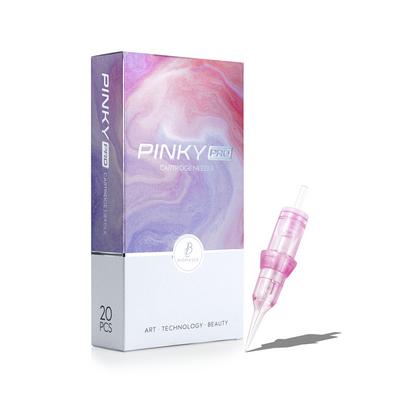 Pinky Pro 1R Single Round Liner PMU Cartridges
0601RL (1R-0.20mm) / Pinky Pro 20pcs
$14.49 USD
View product
-
 Pinky Pro RS Round Shader PMU Cartridges
1003RS (3RS-0.30mm) / Pinky Pro 20pcs
$13.99 USD
View product
-
 Atto A4 High-grade Hairstroke Silicone Practice Skin
1 Piece
$0.90 USD
View product


