


When two academy cohorts need to start on the same day, equip the seats that will be in use at the same time, then size consumables by procedure, needle configuration, and class. For a new PMU classroom that teaches with standard universal cartridges, start with the Biomaser TP006 Professional PMU Kit in Black. It gives each station a Classic pen and two batteries, so a charged pack can be ready for a swap between sessions. Add the cartridges and barriers your syllabus calls for. For an established Classic room, keep serviceable stations that already fit your cartridges and power setup. Fill equipment gaps with the Biomaser TP006 Wireless Permanent Makeup Machine, Classic / Black / Pen + 2 Batteries. That machine package also gives a new room a way to buy the same generation when the kit's included pigment needs to be sourced separately. Buy eligible liquids locally whenever import clearance or carrier acceptance puts the teaching date at risk. Approve a production sample before releasing the first branded order and budget the 15% commission on eligible referrals separately from the academy purchase.
Choose the buying route before you price the class
An academy typically has three jobs for the same order. It needs teaching equipment that behaves consistently across the room, enough supplies for every supervised session, and a price students can understand if they later buy their own equipment. Give each job a separate quantity. A machine that stays with the academy can serve several sequential groups. An item that leaves with a graduate can serve only that graduate. A sterile cartridge consumed during a procedure belongs in the class budget even if the pen it fits lasts across many intakes.
Start with existing-brand distribution when the course date is fixed, the school wants familiar replacement parts, or the next intake is too small to absorb a custom run. The branded model gives instructors a common power setup and teaches graduates how to reorder the working equipment they handled in class. Keep one platform within each teaching group whenever the curriculum allows. That simplifies demonstrations and lets an instructor move a learner to a spare station without turning a fault into an equipment orientation.
Request OEM or ODM when the academy has repeatable demand, a defined reason for putting its name on the product, and time to approve a sample. A logo on a teaching machine, private-label carton artwork, and a change to the machine or its included accessories are three different requests. Describe the physical change on each quote line. A school may want its mark on the pen while retaining the established machine configuration and supply chain. Another school may need a branded carton with a course-specific assortment. A physical design change needs its own feasibility, sample, production, and service terms.
| Academy situation | First purchase | Change course when |
|---|---|---|
| Opening a standard-cartridge PMU room | TP006 Classic Professional Kit per working station, with a class consumables order | Use the matching Pen + 2 Batteries package and source approved liquids separately if the kit's pigment cannot travel or serve the course. If the syllabus uses another cartridge interface, quote the matching platform. |
| Expanding an established TP006 room | Keep the correctly fitted stations and order missing machines in the generation the room uses | Add compatible charging capacity or spare packs if the turnover schedule leaves a station without ready power |
| Launching a private-label graduate kit | Approve a sample and price machine, packaging, and consumables separately | Release the quoted minimum once intake demand and the delivery window support it. Use existing-brand stock for the first intake if the custom run misses the receiving deadline. |
| Teaching across destinations with different liquid rules | Compatible equipment plus an approved destination supply of liquids | The specific liquid, route, and importer are cleared in time to consolidate |
A full kit earns its place in a new room because the second battery can be charged and ready while the first is in service. If a pack fails or runs down, the instructor can pause the procedure safely and issue the spare. The Classic Professional Kit listed above includes two 1000 mAh batteries, a charging cable, a storage case, cartridges, pigment cups, grip wrap, and 12 mL of Black Coffee pigment. Count bundled cartridges or cups toward the class order only when their configuration, usable quantity, and condition match the lesson. Keep the included pigment on its own purchase line for clearance and live-model suitability. If the academy needs a different shade or locally sourced pigment, price the matching Pen + 2 Batteries package with the approved class consumables.
For a room already teaching on Gen 2, use the Biomaser TP006 Wireless Permanent Makeup Machine, Gen 2 / Black / Pen + 2 Batteries for missing seats. Match the generation on the purchase line and confirm any packs and charging equipment the room plans to share. If compatibility with its existing spares has not been established, assign the included packs to their own pen and use the charging setup specified for that generation.
Standardize the station and its replenishment supplies
Define a ready station by what a learner actually needs at the start of a session. Include the pen, ready power, the selected cartridge format, barriers for the machine and work surface, and the supplies needed to dispense the approved pigment. For live-model classes, provide a sharps disposal point and access to the cleaning and protective equipment required by the venue. Put spare machines where an instructor can issue one without taking equipment from another seat. Arrange pack charging away from wet work, with enough compatible charging positions for the turnover between scheduled sessions.
For a standard cartridge-based PMU lesson, match the grouping and needle diameter to the syllabus. If the lesson specifies a 0.30 mm single round liner, quote the Pinky Pro 1R Single Round Liner, 1001RL (1R-0.30mm) / Pinky Pro 20pcs. If it specifies a three-needle round shader at 0.30 mm, quote the Pinky Pro Round Shader, 1003RS (3RS-0.30mm) / Pinky Pro 20pcs. The two lines give the instructor separate allocations for the liner and shader tasks. If a lesson uses another diameter or grouping, put the exact taught configuration and pack count on its own order line. Confirm the cartridge seats and locks in the teaching pen before releasing the class quantity. These Pinky Pro cartridges are EO sterilized and have a silicone membrane designed to help limit pigment backflow. For live-model teaching, issue cartridges from intact sterile pouches and follow the venue's barrier and equipment turnover procedures.
The cartridge interface is a purchase dependency. A standard push-in cartridge and a threaded BMX cartridge belong to different systems. An academy that teaches both needs separate allocations, even when both packages describe a round liner or a round shader. A substitution that preserves the needle category but changes the interface leaves the lesson without a usable supply. A substitution that fits the machine but changes the grouping may alter the technique students are meant to learn. Require approval at both levels when a supplier proposes a replacement.

Quote Disposable Tattoo Pen Barrier Sleeves | 200 Pack for the machine barrier line if the 60 mm flat width and 180 mm length accommodate the assembled pen. Fit a sleeve before buying the class quantity and check that the learner can reach the controls and that the sleeve can be removed during turnover without contaminating the covered equipment. If the sleeve is too short or obstructs a control, use a compatible barrier size. For single-use dispensing, quote Atto Tattoo Plastic Tattoo Ink Cups, 10 × 11 mm · 100 Cups if that size seats securely in the holder and has room for the instructor's planned portion. If either check fails, use the listed size that fits both. Where workplace bloodborne-pathogen rules apply, buy sharps containers and the exposure-control supplies required by the school’s plan. In U.S. workplaces where employees have occupational exposure, OSHA requires appropriate engineering and work-practice controls and disposal of contaminated sharps immediately or as soon as feasible in suitable containers. OSHA Bloodborne Pathogens Standard and OSHA tattooing and piercing interpretation
Calculate the bill of materials by class and seat
Count machines from the peak number of simultaneous stations. Count consumables from total scheduled uses. List the instructor’s station separately because a demonstration generally takes place while learners have their equipment. Size shared equipment, including charging positions and sharps disposal provision, from the room layout and turnover schedule. If an afternoon group receives a personal kit at enrollment, subtract those machines from reusable academy stock before assigning them to the next morning’s class.
Consider an illustrative academy schedule with two sequential classes of 12 learners. One instructor runs two demonstrations across the two classes. The room needs 12 learner stations, one instructor station, and one spare pen ready to issue. Each learner is assigned two supervised sessions. The illustrative curriculum allocates one single round liner and one round shader to each session and to each of the two demonstrations. Use the following quantities to understand the calculation. The 10% consumable allowance is an example chosen for this timetable. Set the actual allowance around enrollment changes, damaged packages, drops, and how quickly the destination can replenish.
| Purchase line | Calculation | Illustrative quantity |
|---|---|---|
| Ready machines | 12 learner stations + 1 instructor station + 1 shared spare | 14 |
| Battery packs if all 14 machines use dual-battery kits | 14 × 2 | 28 packs, including those in kits |
| Learner sessions | 2 classes × 12 learners × 2 sessions | 48 |
| Demonstrations | 1 per class × 2 classes | 2 |
| Single round liners | Round up (48 + 2) × 1 × 1.10 | 55 sterile units before carton rounding |
| Round shaders | Round up (48 + 2) × 1 × 1.10 | 55 sterile units before carton rounding |
| Machine sleeves | Round up (48 + 2) × 1 × 1.10 | 55 sleeves at one initial sleeve per session or demo |
| Cups, at three per session or demo | (48 + 2) × 3 × 1.10 | 165 single-use cups |
| Student take-home machines | 24 students × number issued per student | Separate from classroom stock |
Order cartridges by configuration. For any line, divide the required sterile units by the supplier’s confirmed units per box and round up. If this illustrative syllabus calls for the 0.30 mm single liner and 0.30 mm three-needle round shader specified above, order three of each 20-piece pack. That gives the room 60 liners and 60 shaders against its planned 55 of each. Pooling demand as 110 unspecified needles would conceal a shortage if the cartons arrived in the wrong grouping. One 200-pack of the listed machine sleeves covers the planned 55 sleeves. Two of the listed 100-cup packs cover the 165 cups if their size fits the holders and portions. Budget additional sleeves if the school’s turnover protocol or contamination events require replacements during a session.
Before approving the consumables quote, separate the quantities for learner practice, instructor demonstrations, and live-model work. Where the same approved supply serves more than one activity, add the uses together by exact configuration before rounding to sales packs. If a session switches from practice to a live model, count a fresh cartridge and a fresh set of single-use dispensing supplies for the live procedure. That distinction keeps the class bill of materials accurate even when both activities appear as one session on the timetable.
For simultaneous delivery of those two classes, the illustration changes to 24 learner seats, two instructor stations, and a spare allowance appropriate to the two rooms. With one spare per room, that is 28 ready machines. The initial per-session cartridge and cup counts stay the same because enrollment and the number of sessions stayed the same. Additional charging positions and room supplies follow the second room. This distinction matters most when two campuses expect to receive inventory from the same opening order.
Specify pigments by instructional use and destination, then size the amount from normal supervised dispensing and opened-product handling. A larger bottle may lower cost per millilitre and still cost more per student if a seasonal class discards most of it under its handling policy. Calculate on the opened containers the classes can use within the label directions. Budget enough to dispense into individual cups while avoiding top-ups from contaminated equipment or returning dispensed product to a bottle. Apply the venue’s infection-control procedures and keep products with damaged seals or illegible batch information out of live-model sessions. FDA Tattoos & Permanent Makeup Fact Sheet
Set the boundary for a live-model course
Use the school’s procedure authorization and the local venue rules to decide which consumables may be used on people. Before issuing live-model kits, match the label, intended use, and traceable product identity to the specific session. Where a course includes both tattoo and PMU supplies, carry this distinction to the point of issue. ATTO’s current practice tattoo inks are for practice only. For live-model tattoo instruction, procure suitable tattooing ink from the cleared destination supply. For PMU, choose a pigment intended for the procedure and acceptable in the teaching market. Set those purchase lines before accepting enrollment commitments tied to live-model work.
The live-model kit is also the wrong place to discover that a sterile pouch is crushed, wet, or torn. Include a quarantine and replacement allowance in the supply plan. Keep sterile items packaged until needed. Issue a fresh cartridge for each person and discard used sharps in the approved container at the station. A needle cartridge that has contacted a person is spent even if the class demonstration used it briefly. Where applicable, use the venue’s written exposure-control plan for contaminated equipment, barrier changes, and exposure response. OSHA Bloodborne Pathogens Standard
If the treatment area shows possible infection or unexplained active inflammation, or screening identifies a reason for clinical assessment, have the instructor defer work on that model and direct them to a healthcare professional before rescheduling. Use a practice surface for that lesson if the cohort needs to continue. Give models clear instructions to contact a healthcare professional if the site fails to heal or develops signs of infection after the procedure. Keep the ink or pigment name and lot details available so the model can share them with the clinician if needed. FDA Tattoos & Permanent Makeup Fact Sheet
Quote private-label machines and packaging as separate commitments
ATTO offers existing-brand distribution and source-manufacturing OEM/ODM. Academies can request a quote for laser engraving their logo on a teaching machine and a separate quote for custom-packaged consumables. The factory confirms the eligible model and finish, sample or artwork costs, minimum order quantity, unit price, and production lead time for the proposed work. Give the quote team one specification per order line. A brief that says “100 branded kits” leaves timing decisions open if the logo, carton, and consumable runs have different minimums. If the school needs both branded and standard stock, split those quantities on the request so it can see what has to wait for sample approval and what can ship for the next class.
For the machine, provide the intended course, the preferred base model, the number of teachable stations and take-home units, the power configuration, and the logo artwork. Ask the quote to show where the mark will appear and how it will be applied, what accessories come in each unit, and which replacement packs, charging equipment, and parts will be offered after launch. If a logo treatment changes the surface at a place the artist grips or cleans, inspect the finished sample there. Approve the machine with the assortment the school will actually teach. A sample body with the right logo and a different component assortment leaves a real purchasing question open.
For packaging, identify whether you need a branded outer carton, an individually printed pouch, an insert, or a different pack count. A carton for the retail kit and the primary sterile pouch have distinct jobs. The carton carries the sales presentation and can group the items. The primary pouch maintains the sterile barrier and carries the information needed at the point of use. Keep the validated sterile packaging intact when a logo on the outer carton meets the academy’s purpose. Any proposed change to the primary pack needs to go back through the supplier’s applicable packaging and sterilization controls. Before approving the print run, preserve the required labeling and traceability on the packs learners will open.
Ask the quote to break out the MOQ for each logo treatment, machine configuration, carton design, and printed consumable line. Confirm whether different sizes or groupings can share a minimum and whether each artwork version needs its own run. A school may need three cartridge groupings in unequal quantities. A common outer box with correct configuration identification may be more practical than committing to three separately printed cartons. Use existing-brand packs for low-volume configurations when their packaging minimum would tie up the consumables budget for several intakes.
Make sample acceptance explicit. Compare the sample to the order for appearance, readable labeling, contents, fit with the selected cartridges, available charging accessories, and outer-carton protection. Obtain one accepted reference for each materially different configuration before bulk release. Ask which sample charges are payable and whether any credit applies to the production order. Establish when the production clock starts, who can approve a material or artwork change, and how mismatched or damaged units will be handled. Agree on the remedy while the buyer still has a choice about releasing the run.
Allow a different timeline for a new OEM/ODM run and a standard replenishment order. Confirm the dates for artwork approval, sample acceptance, bulk completion and dispatch separately. Put a receipt deadline on the school’s side early enough for incoming inspection and room setup. If that deadline falls inside the uncertain part of the custom schedule, book sufficient existing-brand stock to teach the first cohort and assign the custom run to the next intake or to a separately scheduled take-home handover.
Split the cross-border order where clearance can delay class
Build a destination plan for each campus before paying for freight. Start with three cargo groups: equipment without batteries, equipment and standalone packs containing batteries, and liquids. The carrier may handle these groups differently, and the destination may require different paperwork. A complete teaching kit can contain articles from several groups. Ask for an itemized packing list so the forwarder can classify each part and the receiving academy can identify what may need to travel separately.

For battery-powered equipment, provide the carrier with the pack information it requests, including whether batteries are installed, packed with the equipment, or shipped on their own. For air cargo, have the carrier or dangerous-goods forwarder confirm the applicable packing, marking, and documentation for the actual configuration and service. A dual-battery carton has two packs to account for even when it appears as one sales line. If the carrier declines the configuration, obtain an accepted service before dispatch or use already accepted, compatible packs at the venue where the equipment can ship separately. Keep ready spares on site when replacement packs take longer to replenish than ordinary class supplies. IATA lithium battery guidance
For liquid shipments, ask two separate questions before merging them into the kit order. Can the named importer bring this exact liquid into the teaching market for the intended use, and will the selected carrier accept this exact package and route? A product can clear the first decision and still require a different service to travel. Give the importer and carrier the product identity, intended use, volume, composition or safety data they request, and planned packaging. Date the answer for the actual route. Describe the goods accurately on customs and carrier documents.
Apply this order of preference for a liquid-restricted destination. Source eligible pigment, cleanser, and other liquids from an established destination supplier first when a liquid decision threatens the class date. Ship the equipment and approved dry consumables on a separate, accepted route. The TP006 Classic Professional Kit contains pigment, so use the Classic / Black / Pen + 2 Batteries variant plus separate dry consumables when ordering equipment without that liquid. Confirm that the carrier accepts the battery configuration too. If the school needs a specific imported pigment for its curriculum, obtain clearance and carrier acceptance for the exact product before committing to the live-model timetable. Hold the affected liquid outside the shipment while the permitted hardware and supplies continue. A substitute must match the procedure, with the instructor approving any change that affects how the course is taught.
For EU markets, check the exact tattoo or permanent makeup mixture against REACH Annex XVII, entry 75, before placing it on the market or using it for tattooing or PMU. Have the supplier or EU importer check the formulation and the label for the destination, including the required statement “Mixture for use in tattoos or permanent make-up,” a batch reference, the ingredient list, and any applicable instructions or warnings. Check the official-language requirements of the Member State before approving private-label artwork. If the formulation or label cannot be confirmed for the intended use, procure a compliant destination substitute before the live-model session. Commission Regulation (EU) 2020/2081, Annex
For U.S. live-model classes, buy ink or pigment with a clear intended use and readable label and lot information. FDA regulates tattoo and permanent makeup inks as cosmetics and has approved no color additives for injection into the skin. Hold any product marketed as FDA-approved for injection while you verify the seller's claimed approval. FDA has found microbial contamination in sealed inks, so check the lot for recalls, quarantine damaged or suspect stock, and issue an unaffected replacement that meets local requirements. Before booking live models, confirm state or local body-art rules for venue and learner licensing, supervision, and waste handling. If the teaching arrangement falls outside those rules, move live-model work to an eligible venue or teach on practice surfaces. FDA Tattoos & Permanent Makeup Fact Sheet
Make the importer and delivery responsibilities explicit
Have the buyer and supplier agree who files the import entry, who supplies the documents, who pays duties and taxes, and who receives a carrier exception. Include the destination and named delivery point on the quote. Where the order uses an Incoterms rule, specify the rule, named point, and edition in the agreement. Assign the importer role to an entity that can perform it in that destination. Ask the broker what product descriptions and supporting documents are needed for each cargo group before the cartons leave.
Agree how missing boxes, customs holds, and damaged deliveries will be handled. A freight itinerary can accommodate a delay that the class calendar cannot. Ask the supplier to identify the latest date for sending stock by the normal service and quote any earlier shipment needed to preserve the start date. If the liquid shipment moves separately, give it its own deadline and local replacement decision. For multiple campuses, compare direct delivery to each venue with a consolidated receipt and redistribution. Consolidation can lower freight cost, while direct delivery removes one handoff and gives each school earlier visibility into its own supplies.
On receipt, release the machines, sterile items, and liquids on their respective checks. Count the actual equipment, spare power, and accessories against the purchase. Check that the ordered cartridge groupings reached the right class and that sterile packaging is intact. Release only the liquids accepted for the local course, with usable labeling and sufficient shelf life. An exception on one cargo line should trigger a replacement decision for that line so the rest of the class order can move through setup.
Compare landed cost per usable seat and per graduate
Prepare two comparisons from the same quote. Landed cost per usable seat covers equipment the school retains. Include any spare pen and power hardware needed to keep the contracted number of seats available. Cost per graduate covers items issued or consumed for that student, including consumables, take-home packs, allocated packaging and freight. If the school offers a kit as a separate purchase, show that price separately so enrollment staff can explain what tuition includes.
Here is an arithmetic example in USD, using invented amounts solely to illustrate the calculation. Assume 14 kits for a 13-station room with one spare. Equipment costs $1,680, freight and handling are $240, and applicable nonrecoverable import charges in the example are $160. The landed equipment subtotal is $2,080. Dividing by 13 teaching stations gives $160 per usable station, with the spare included. If those 13 stations serve 24 learners across two groups, and the opening consumables allocation totals $360, the consumables cost is $15 per learner. The equipment cost remains a capital purchase for the room. Allocate it across future classes only if the academy has a reasonable use and replacement forecast.
For custom packaging, compare cash committed and cartons expected to be consumed in the same period. In an illustrative USD example, 300 cartons at $1.20 each plus $90 of setup commit $450. If the first two intakes use 120 cartons, the remaining 180 must still have an approved use. Spreading the $450 over 300 usable cartons yields $1.50 apiece across the full run. If an artwork or required label change makes the 180 cartons unusable, the $450 spent covers 120 cartons and the realized cost becomes $3.75 apiece. The same calculation helps a buyer see when plain packaging with an approved outer label serves a pilot better.
Use the quote’s actual currency and terms when comparing suppliers. Include charges the academy actually bears for sampling, setup, freight, destination handling, duty, and any tax it cannot recover. Compare the quoted quantities the school can put into service. When a liquid is sourced locally, include its delivered local cost and any change to the class allocation. Separate one-time setup from repeat consumable prices so the first order does not distort what the next cohort will cost.
Keep the 15% referral commission outside the purchase price
ATTO’s referral program pays 15% on eligible referred purchases, with a 30-day attribution window, a dedicated link or discount code, and PayPal as the default payout method. Before the academy promotes the purchase route, use the applicable agreement to confirm who and what qualifies, which amount the commission is calculated on, how refunds affect it, and when payment is due. Check how shipping, tax, discounts, and wholesale or custom orders are treated if they affect the academy’s estimate. Give enrollment staff the correct link or code for qualifying student or graduate purchases. Finance can then budget the academy’s payable invoice separately from referral income.
As an arithmetic illustration, a referral order with a confirmed eligible base of $200 would yield $30 at 15%. If the program rules reduce the eligible base to $150 after a return, the commission at the same rate would be $22.50. The amounts illustrate the calculation. Use the applicable agreement to determine which amounts enter the base. Budget classroom equipment and the consumables order at their quoted payable amounts so the academy can fund the class before any referral sales occur.
If graduates will be referred to buy supplies after training, define the replenishment assortment when choosing the teaching platform. A student who recognizes the machine but cannot identify a usable cartridge grouping still has an incomplete purchasing path. Give graduates the approved machine and cartridge families and the specifications needed for their course, and make clear which supplies the school provides during instruction. The appropriate time to agree on commission terms is before the academy promotes a purchase route to students.
Send one quote request the supplier can price
Send the course type, destination and postal code, first class date, peak concurrent seats, total learners, instructor and spare stations, and expected number of intakes. Attach the calculated consumables list by grouping and the separate count of complete kits for students to keep. For eligible new-classroom shipments, ask for an itemized quote built around the Biomaser TP006 Professional PMU Kit in Black. For gaps in a Classic room or a Classic order with liquids sourced separately, request the Classic / Black / Pen + 2 Batteries option. For gaps in a Gen 2 room, request the Gen 2 / Black / Pen + 2 Batteries option. Include the liner and shader lines required by your syllabus, with the exact configurations and pack counts on the pro forma invoice. Ask for the currency, stock and quote validity, and which freight and import charges are included so the school can compare the cost per usable station.
For an academy logo, attach artwork and identify the machine finish and packaging parts to customize. Ask for separate minimums, sample charges and acceptance dates, production lead time, the agreed replacement arrangement, and the dispatch estimate. For a cross-border class, specify which liquids you plan to source locally and state who will handle clearance for the remaining goods. Ask for the referral terms on a separate line if the school intends to participate.
Release the order once the station count, exact pack contents, replacement supply, and delivery responsibilities all match the class plan. If a packaging approval or liquid clearance slips, place the permitted equipment and dry consumables order on schedule and source the affected liquids through the approved destination route. You can then set a receiving date that leaves enough time to assemble the stations and issue a complete set of supplies to every learner before teaching begins.

Equipment covered in this guide
-
 Biomaser TP006 Professional PMU Kit | Dual Batteries
Black
$153.00 USD
View product
-
 Biomaser TP006 Wireless Permanent Makeup Machine
Classic / Black / Pen + 2 Batteries
$127.00 USD
View product
-
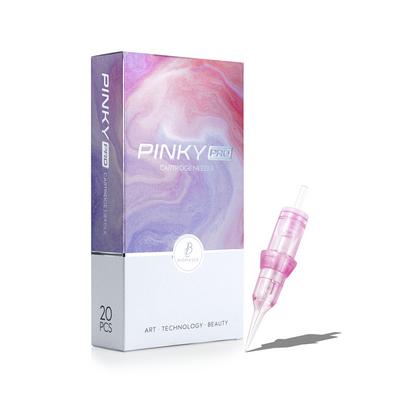 Pinky Pro 1R Single Round Liner PMU Cartridges
1001RL (1R-0.30mm) / Pinky Pro 20pcs
$11.89 USD
View product
-
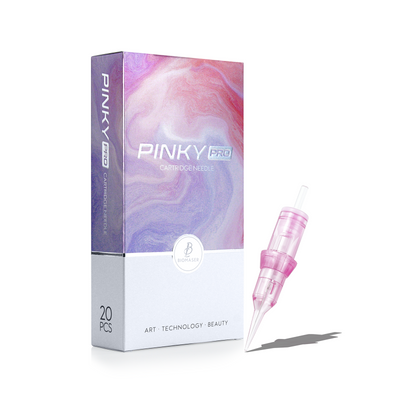 Pinky Pro RS Round Shader PMU Cartridges
1003RS (3RS-0.30mm) / Pinky Pro 20pcs
$13.99 USD
View product


